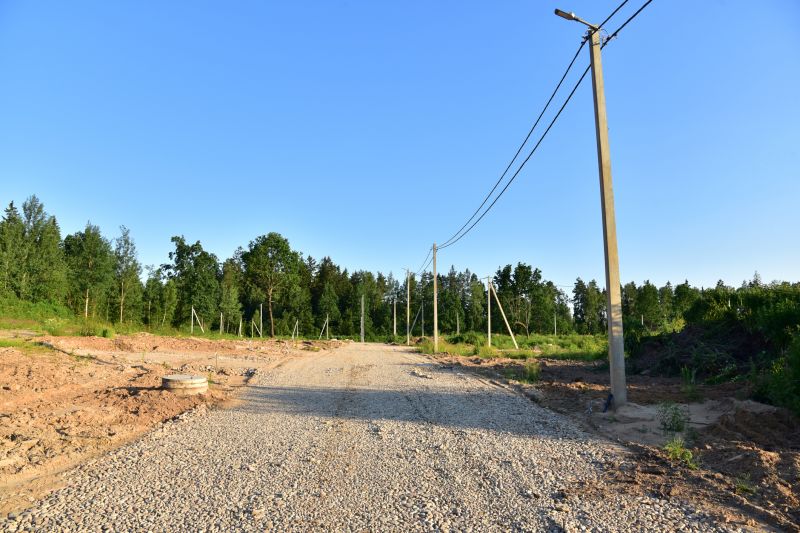
Driveway Grading in Houston, TX
Driveway grading services involve leveling and shaping the surface of a driveway to ensure proper drainage and a smooth, stable surface. This process is commonly used for new driveway installations, as well as for existing driveways that have developed uneven spots, ruts, or pooling water. Proper grading helps prevent water from accumulating, which can lead to erosion, damage, or safety hazards. Property owners often seek driveway grading before paving or sealing, or to improve the overall appearance and functionality of their driveway.
Homeowners considering driveway grading typically want to understand the current condition of their driveway, including any drainage issues or uneven areas that may need attention. It’s important to assess the type of driveway surface-such as gravel, asphalt, or concrete-as different materials may require specific grading techniques. Additionally, understanding the scope of the project, including the extent of leveling needed and the desired final slope, can help property owners plan effectively for their driveway improvements.
Many property owners in Houston, TX look into Driveway Grading for repairs, replacements, upgrades, and appearance-related improvements.
Ensuring Proper Drainage
Driveway grading helps direct water away from your home and prevents pooling.
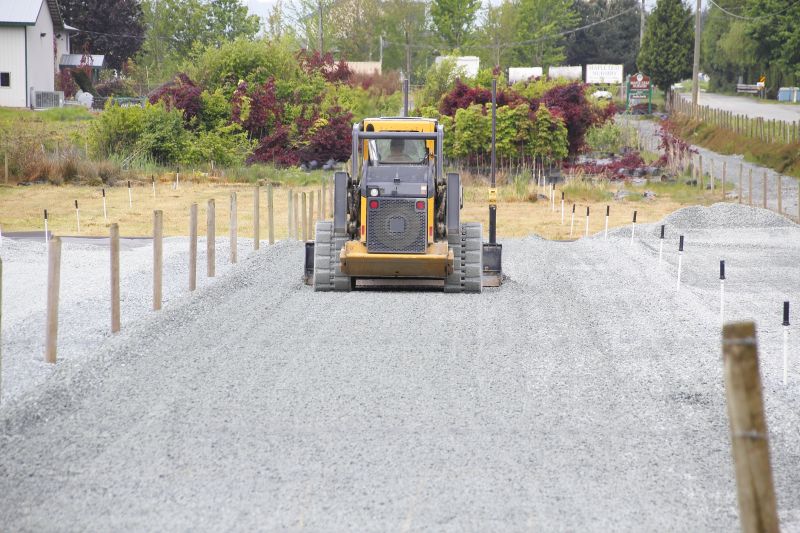
Enhancing Driveway Stability
Properly graded surfaces reduce the risk of cracks and surface damage over time.
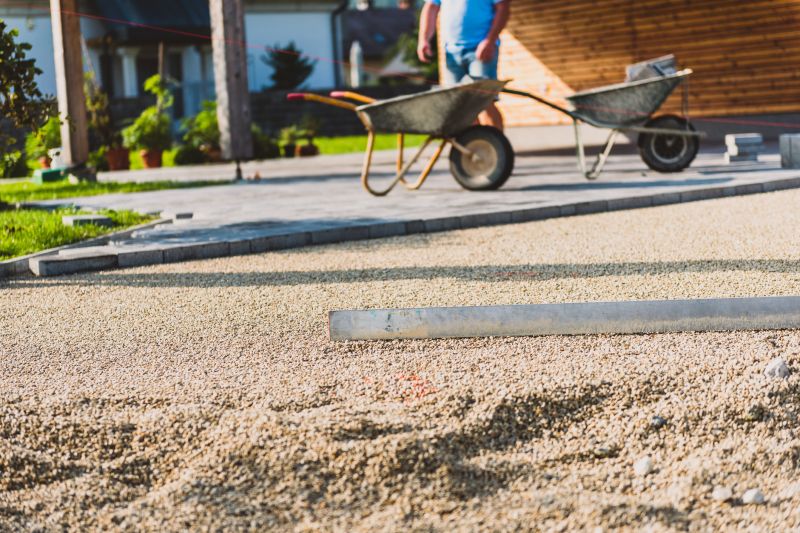
Preparing For Weather Conditions
Effective grading minimizes erosion and maintains driveway integrity during heavy rains in houston, tx.
Driveway Grading in Houston, TX

Driveway grading services involve leveling and shaping the surface of a driveway to ensure proper drainage and a smooth, stable surface. This process is commonly used for new driveway installations, as well as for existing driveways that have developed uneven spots, ruts, or pooling water. Proper grading helps prevent water from accumulating, which can lead to erosion, damage, or safety hazards. Property owners often seek driveway grading before paving or sealing, or to improve the overall appearance and functionality of their driveway.
Homeowners considering driveway grading typically want to understand the current condition of their driveway, including any drainage issues or uneven areas that may need attention. It’s important to assess the type of driveway surface-such as gravel, asphalt, or concrete-as different materials may require specific grading techniques. Additionally, understanding the scope of the project, including the extent of leveling needed and the desired final slope, can help property owners plan effectively for their driveway improvements.
Many property owners in Houston, TX look into Driveway Grading for repairs, replacements, upgrades, and appearance-related improvements.
Common Driveway Grading Jobs
Driveway grading involves leveling and shaping the surface for proper drainage and stability.
Residential driveway grading helps prevent pooling water and reduces erosion around the property.
Commercial driveway grading ensures safe and smooth access for vehicles and heavy equipment.
Uneven driveway correction addresses existing dips and bumps to improve overall driveway functionality.
Drainage improvement directs water away from the driveway to protect its longevity.
New driveway prep includes grading to create a solid foundation before paving or surfacing.
Driveway Grading Questions
What is driveway grading? Driveway grading involves leveling and shaping the surface to ensure proper drainage and stability.
Why is driveway grading important? Proper grading prevents water pooling, reduces erosion, and extends the lifespan of the driveway.
What types of driveway surfaces can be graded? Gravel, asphalt, and concrete driveways can all benefit from grading to improve their condition.
When should driveway grading be considered? Grading is recommended when signs of uneven surfaces, water runoff issues, or erosion appear.
Request Driveway Grading in Houston, TX
Use the quote form on this page to share the basics of your project and request more information for the type of work you need.